Pets depend on their owners for protection, especially when outdoor adventures bring them into areas where wildlife may be present. Encounters with wild animals can happen quickly and sometimes result in injuries, disease exposure, or stressful situations for both pets and their families. According to the
Centers for Disease Control and Prevention, thousands of animals test positive for rabies each year in the United States, making wildlife awareness an important part of pet safety. Protecting pets from wildlife and dangerous animals often requires a combination of awareness, preventive measures, and expert humane
wildlife removal. These measures can help reduce risks while allowing pets to spend time outdoors more safely.
Protecting Pets from Wildlife Encounters Starts with Awareness
Many pet owners have experienced a moment when a routine walk suddenly became unpredictable because wildlife appeared nearby. A dog exploring a trail may become interested in a snake hidden near brush, or a cat relaxing in a yard may notice a raccoon approaching from a fence line. Animal Round Up explains, "Most wildlife conflicts happen when animals are surprised, cornered, or searching for food. Simple precautions and active supervision often prevent situations from escalating." Understanding common wildlife behaviors helps pet owners react quickly and avoid unnecessary risks.
- Wildlife activity can change throughout the day.
- Pets often notice animals before people do.
- Preparation helps reduce emergency situations.
1. Walk Pets on a Short Leash
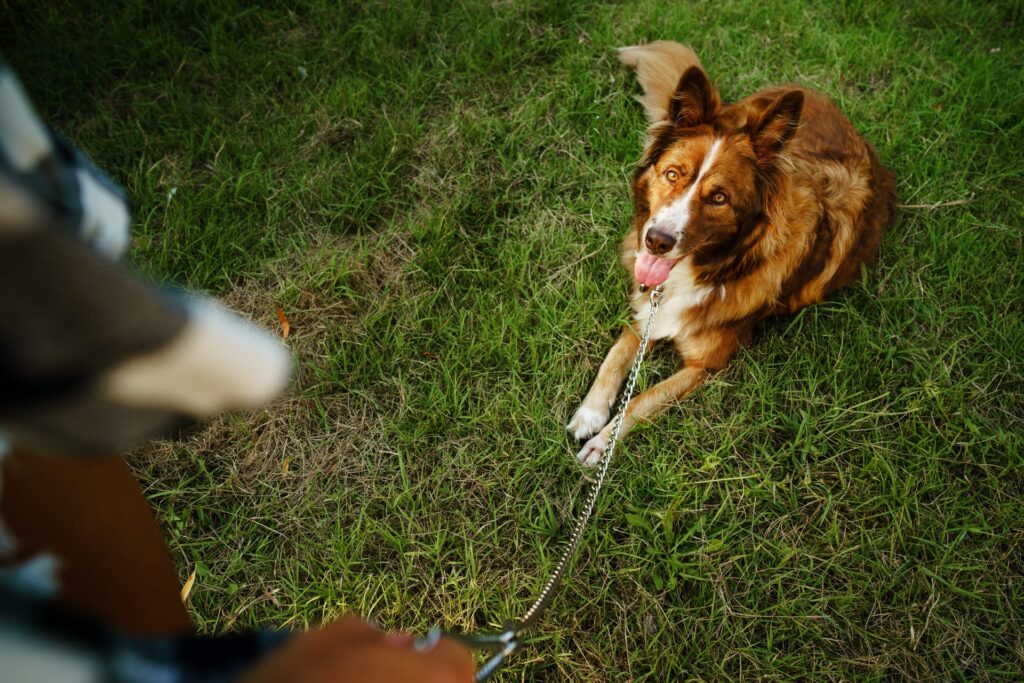
Short leashes provide greater control when wildlife unexpectedly appears. A pet exploring too far ahead may approach an animal before the owner notices the danger. Maintaining a closer distance allows faster reactions and creates opportunities to redirect attention before a confrontation occurs. Controlled walks become especially important near wooded areas, trails, and waterways where wildlife activity may be higher.
- Maintain visual contact with surroundings.
- Keep pets close during outdoor walks.
- Avoid allowing pets to investigate wildlife scents.
2. Avoid Unsupervised Outdoor Time at Dawn and Dusk
Dawn and dusk are periods when many wildlife species become more active while searching for food and water. Coyotes, foxes, raccoons, and other animals often travel during these quieter hours. The
National Park Service encourages people to remain aware of wildlife activity patterns when spending time outdoors. Careful supervision during these times can help prevent unwanted encounters.
- Limit outdoor activity during peak wildlife hours.
- Stay nearby when pets go outside.
- Bring pets indoors if wildlife is spotted.
3. Remove Birdseed and Wildlife Attractants
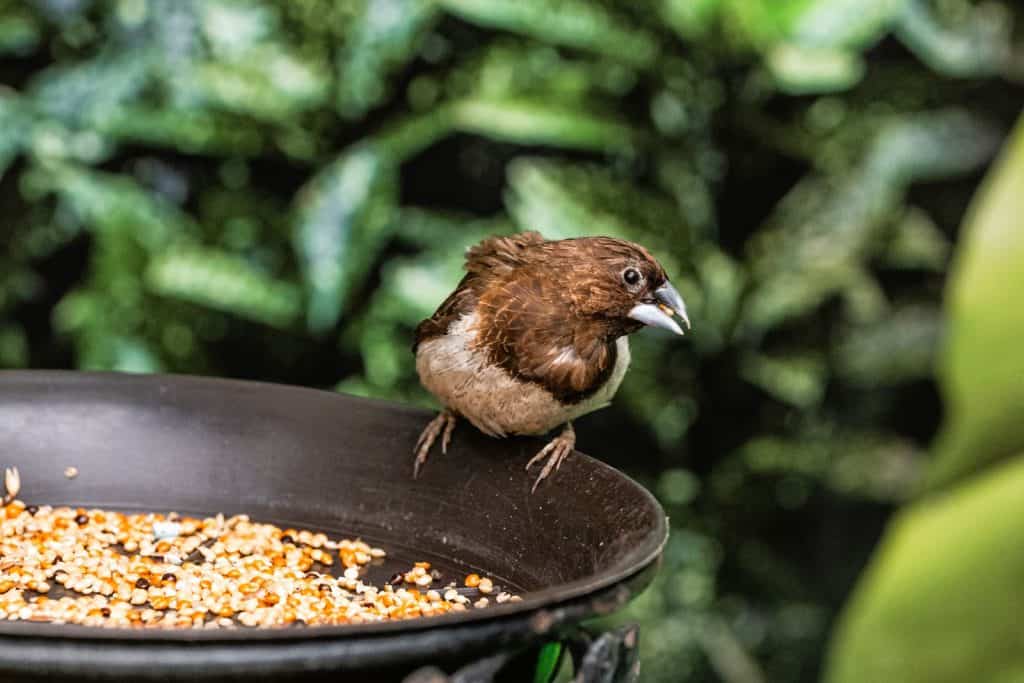
Birdseed, spilled pet food, and unsecured feed often attract smaller animals that can eventually attract predators. A yard that regularly provides food sources may become a destination for wildlife searching for easy meals. Consistent cleanup helps discourage repeated visits. Cleaner outdoor spaces reduce opportunities for wildlife to linger near pet areas.
- Clean beneath bird feeders frequently.
- Store feed in sealed containers.
- Keep pet play areas free of food debris.
4. Secure Trash Bins Properly
Wildlife relies heavily on scent when searching for food. Trash bins containing food scraps can attract raccoons, opossums, rodents, and stray animals. The
Environmental Protection Agency recommends proper waste management practices that help reduce pest and wildlife activity around homes. Secure containers make properties less appealing to hungry animals.
- Use containers with locking lids.
- Store garbage in enclosed areas.
- Clean bins to reduce odors.
5. Install Durable Fencing and Gates
Fencing creates an important barrier between pets and wildlife. Animals can enter yards through damaged sections, loose boards, or gaps beneath fencing if maintenance is neglected. Regular inspections help identify weaknesses before they become larger problems. Strong boundaries provide greater peace of mind when pets spend time outdoors.
- Inspect fencing regularly.
- Repair damaged sections promptly.
- Check gates for secure latching.
6. Bring Pets Inside When Wildlife Appears
Wild animals may appear calm while still feeling threatened or protective of nearby offspring. Approaching wildlife can trigger defensive reactions that place pets at risk. Quick action helps prevent situations from escalating into physical encounters. Moving pets indoors remains one of the simplest ways to avoid conflict.
- Monitor wildlife from a safe distance.
- Avoid allowing pets to investigate animals.
- Wait until wildlife leaves the area.
7. Remove Water Sources at Night
Water attracts wildlife just as food does. Outdoor bowls left overnight may encourage visits from raccoons, opossums, skunks, and other animals looking for hydration. The
U.S. Fish and Wildlife Service recommends reducing attractants around homes when wildlife activity becomes a concern. Bringing water bowls indoors after evening use can reduce nighttime visitors.
- Bring bowls inside after sunset.
- Provide fresh water each morning.
- Monitor outdoor areas for wildlife activity.
8. Teach a Reliable Recall Command
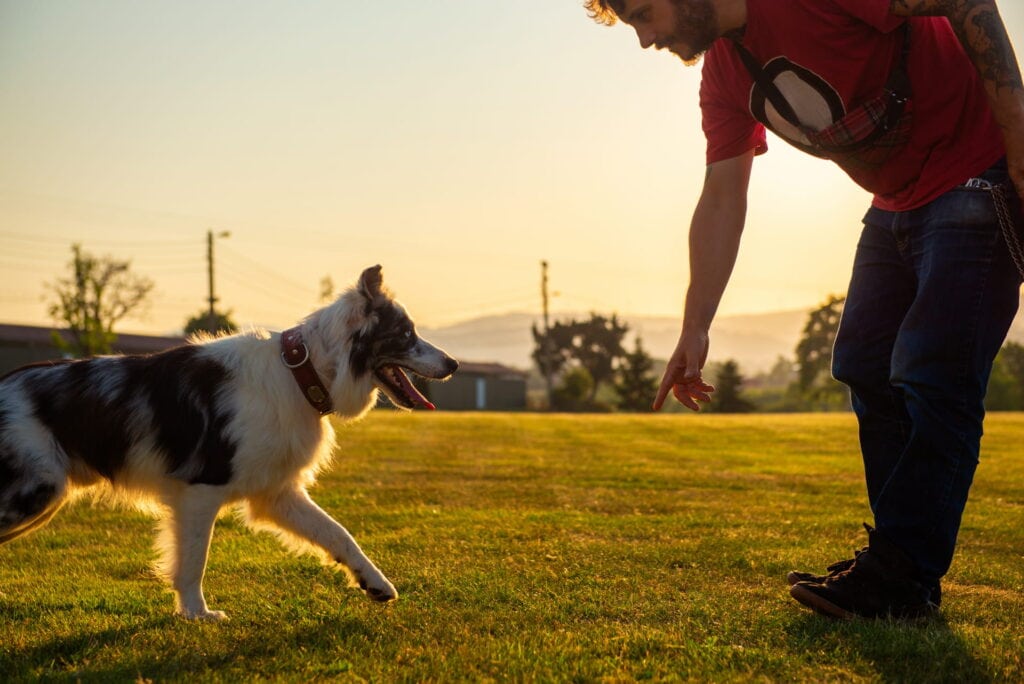
A dependable recall command can help owners quickly move pets away from danger. Training takes time, repetition, and patience, though the effort can prove valuable during unexpected situations. Consistent practice helps pets respond even when distractions are present. Fast responses often prevent risky encounters from developing.
- Practice commands regularly.
- Reward successful responses.
- Train in different environments.
9. Inspect Fences and Property Boundaries Frequently
Small openings can become entry points for wildlife searching for shelter or food. Seasonal weather, erosion, and normal wear can create vulnerabilities around a property. Routine inspections help identify concerns before animals begin using those areas. Prompt repairs strengthen overall protection for pets.
- Walk fence lines regularly.
- Repair holes immediately.
- Inspect areas after storms.
10. Seek Professional Help When Wildlife Behaves Unusually
Wildlife displaying unusual behavior may be sick, injured, or under stress. Animals that linger around people, appear disoriented, or act aggressively should be treated cautiously. The
Centers for Disease Control and Prevention advises avoiding direct contact with unfamiliar wildlife because disease transmission remains a concern. Professional guidance helps protect both pets and people.
- Watch for unusual animal behavior.
- Avoid direct interaction with wildlife.
- Contact qualified professionals when needed.
Creating a Safer Outdoor Environment for Pets
Pet safety often comes down to preparation, awareness, and consistent routines. Supervision limits opportunities for dangerous encounters, while fencing, cleanup efforts, and training help create stronger layers of protection. Wildlife plays an important role in the environment, yet interactions between pets and wild animals can lead to injuries, disease exposure, and costly veterinary treatment. Families who combine observation, prevention, and prompt responses create outdoor spaces where pets can enjoy fresh air while facing fewer risks from wildlife and dangerous animals.
- Awareness helps prevent wildlife conflicts.
- Regular maintenance improves outdoor safety.
- Consistent habits protect pets throughout the year.
Key Takeaways for Protecting Pets from Wildlife and Dangerous Animals
- Walk pets on short leashes in areas where wildlife may be present.
- Supervise outdoor activity during dawn and dusk.
- Remove food sources that attract wildlife.
- Keep trash secured and inaccessible.
- Maintain fencing and gates carefully.
- Bring pets indoors when wildlife appears nearby.
- Remove outdoor water sources at night.
- Train pets to respond to recall commands.
- Inspect property boundaries frequently.
- Seek assistance when wildlife behaves unusually.
Frequently Asked Questions
Which wild animals pose the greatest risk to pets?
Risks vary by region, though coyotes, raccoons, snakes, foxes, and stray animals are among the most common concerns.
Can small pets face greater wildlife risks than larger pets?
Smaller pets may be more vulnerable because some predators view them as potential prey.
Why are dawn and dusk considered higher-risk times?
Many wildlife species become more active during these periods while searching for food and water.
What should a pet owner do after a wildlife encounter?
Check the pet for injuries, monitor behavior closely, and contact a veterinarian if concerns arise.
Do wildlife deterrents completely prevent animal activity?
Deterrents can reduce activity, though combining several prevention methods generally provides stronger protection.