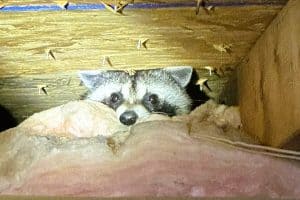
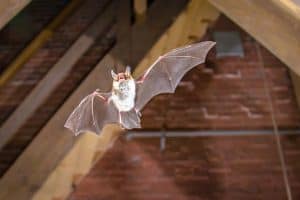
Rodents can create problems far beyond a few scattered droppings. Mice and rats contaminate food, damage insulation, chew electrical wiring, and spread disease throughout a home if their presence goes unnoticed. According to the
Centers for Disease Control and Prevention, rodents can carry diseases that spread directly or indirectly through droppings, urine, saliva, and nesting materials. These 10 ways to keep mice, rats, and rodents out of your house focus on prevention strategies that help homeowners reduce access, eliminate attractants, and recognize warning signs before infestations become larger problems.
Keeping Rodents Out of Your House Starts with Prevention
Many homeowners discover a rodent issue only after hearing scratching sounds inside walls or finding damaged food packages in a pantry. A family might notice a few droppings behind a refrigerator one week and uncover a hidden nesting area shortly afterward because entry points remained open and food sources stayed available. Wildlife and Rodents rarely appear without a reason. Food, water, shelter, and access points create opportunities, and addressing those factors early often prevents a small issue from becoming a larger infestation. Preventive habits usually cost far less than repairing damage caused by established rodent populations. Often an expert in humane
wildlife removal is necessary.
- Regular inspections reveal issues earlier.
- Prevention helps reduce repair expenses.
- Routine maintenance discourages nesting activity.
1. Inspect Basements and Attics for Entry Points
Basements and attics often provide quiet locations where rodents can enter unnoticed. Mice can fit through openings as small as a dime, while rats can squeeze through gaps roughly the size of a quarter, according to the
Environmental Protection Agency. Careful inspections around utility lines, vents, and foundation penetrations help identify vulnerabilities before rodents gain access. Sealing these openings creates one of the strongest defenses against future infestations.
- Inspect attics several times each year.
- Check around utility penetrations.
- Seal visible gaps immediately.
2. Store Firewood Away from the Foundation
Firewood stacks create shelter that attracts rodents searching for protection from weather and predators. Woodpiles placed directly against exterior walls can become convenient pathways leading toward the home. Elevating firewood and maintaining distance from the structure reduces hiding places and limits rodent access. Consistent yard organization helps create fewer opportunities for nesting.
- Store firewood on raised racks.
- Keep stacks away from walls.
- Inspect storage areas frequently.

3. Protect Birdseed and Animal Feed
Birdseed, livestock feed, and pet food attract rodents because they provide dependable nutrition. Thin bags are often easy for rodents to chew through, allowing access to large food supplies. Heavy-duty storage containers help protect feed while limiting odors that may attract pests. Secure storage practices remove one of the main reasons rodents remain near homes.
- Use metal storage containers.
- Select rigid plastic bins with tight lids.
- Clean spilled feed promptly.
4. Secure Pantry Foods Properly
Pantries often contain ingredients that attract mice and rats when packaging becomes damaged or loosely sealed. Cereals, grains, pasta, and baking ingredients provide food sources that support rodent activity. Glass jars and sturdy containers create barriers that rodents cannot easily penetrate. Organized pantry management also makes signs of activity easier to identify.
- Transfer dry foods into sealed containers.
- Inspect pantry shelves regularly.
- Discard damaged packaging immediately.
5. Remove Crumbs and Food Residue
Rodents do not require large amounts of food to survive. Small crumbs beneath appliances, pet food scattered around feeding stations, and spills left unattended can support rodent activity for extended periods. Regular cleaning removes food trails and reduces attractive feeding opportunities. Consistent housekeeping creates an environment that rodents find less appealing.
- Vacuum beneath appliances often.
- Wipe counters after meals.
- Clean pet feeding areas daily.
6. Maintain Plumbing and Drain Systems
Water sources play an important role in rodent survival. Leaking pipes, damaged drains, and damp areas provide hydration that supports nesting activity. The
Environmental Protection Agency explains that moisture management helps reduce conditions that contribute to pest problems. Dry environments make homes less attractive to rodents seeking reliable water sources.
- Repair leaks quickly.
- Inspect plumbing connections regularly.
- Address moisture problems immediately.

7. Cover Vents and Exterior Openings
Vents provide airflow throughout a home, though they can also create access points when left unprotected. Wire mesh barriers help prevent rodents from entering while still allowing ventilation systems to function correctly. Quarter-inch metal screening often provides effective protection against both insects and rodents. Regular inspections help confirm coverings remain secure.
- Install wire mesh over vents.
- Inspect vent covers seasonally.
- Replace damaged screening promptly.
8. Choose Safe Traps and Deterrents
Traps and deterrents can help reduce rodent activity when preventive measures alone are not enough. Homeowners should consider options that minimize risks to pets, children, and non-target wildlife. The
Environmental Protection Agency recommends following product instructions carefully when using rodent control products. Responsible use improves effectiveness while reducing unintended consequences.
- Follow label instructions carefully.
- Place traps strategically.
- Keep deterrents away from children.
9. Watch for Early Warning Signs
Early detection often determines whether a rodent issue remains manageable or develops into a larger infestation. Droppings, gnaw marks, nesting materials, scratching sounds, and grease marks along walls frequently indicate rodent activity. Routine inspections around appliances, storage areas, and utility spaces help identify problems sooner. Quick responses reduce the chance of extensive damage.
- Inspect hidden areas frequently.
- Monitor for unusual sounds.
- Check food storage locations regularly.
10. Seek Professional Assistance When Activity Continues
Persistent rodent activity sometimes indicates hidden entry points, established nesting locations, or larger infestations. Repeated sightings after preventive measures have been implemented suggest that additional investigation may be necessary. Professional evaluations can identify overlooked vulnerabilities and provide recommendations based on the specific situation. Early intervention often prevents more costly repairs later.
- Monitor ongoing activity closely.
- Address recurring signs quickly.
- Schedule inspections when concerns persist.

Why Rodent Prevention Requires Multiple Layers of Protection
Successful rodent prevention depends on combining several protective measures rather than relying on a single solution. Entry point repairs reduce access opportunities, food storage practices remove attractants, moisture control limits survival resources, and routine inspections improve early detection. Rodents adapt quickly when resources remain available, which is why a layered approach generally provides stronger long-term results. Homeowners who maintain consistent prevention habits often experience fewer infestations, reduced property damage, and lower health risks associated with rodent activity.
- Multiple strategies create stronger protection.
- Routine maintenance discourages nesting.
- Early action limits costly damage.
Rodent Prevention Tips: Key Takeaways for Keeping Mice, Rats, and Rodents Out of Your House
- Inspect attics and basements for entry points.
- Store firewood away from the home.
- Protect birdseed and feed in secure containers.
- Keep pantry items sealed properly.
- Clean crumbs and spills regularly.
- Maintain plumbing and eliminate moisture.
- Cover vents with protective mesh.
- Use traps and deterrents responsibly.
- Watch for signs of rodent activity.
- Address recurring issues before they grow.
Frequently Asked Questions
Why do rodents enter homes during colder months?
Lower outdoor temperatures often encourage rodents to seek shelter, food, and water inside structures.
Can rodents damage electrical wiring?
Yes. Rodents frequently chew wiring, which can create safety hazards and increase fire risks.
What foods attract rodents most often?
Grains, cereals, pet food, birdseed, and improperly stored pantry products commonly attract mice and rats.
How often should homeowners inspect for rodent activity?
Seasonal inspections and periodic checks of storage areas, attics, and basements can help identify concerns early.
Do rodents always leave visible signs?
Not always. Some infestations remain hidden for extended periods, though droppings, noises, and gnaw marks often appear as activity increases.