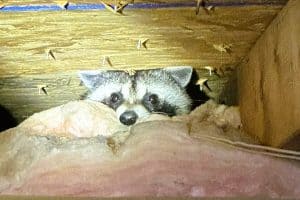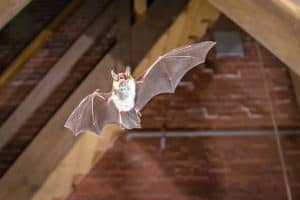

Keeping a home free from insects and nuisance wildlife takes more than occasional cleaning. Small maintenance habits, routine inspections, attention to common entry points, and timely wildlife removal can make a major difference over time. Homeowners who stay proactive often face fewer infestations, lower repair costs, and fewer health concerns related to pests and nuisance animals. Preventing problems before they grow is usually much easier than dealing with a full infestation or wildlife intrusion later.
Many homeowners discover a pest problem only after hearing scratching sounds in the attic, finding droppings in a pantry, or noticing signs that wildlife removal may be necessary. A family might notice ants appearing around the kitchen sink and assume it is a minor issue, only to realize days later that a moisture problem is attracting them, while noises in the walls could indicate an animal has entered the home. Small warning signs often point to larger concerns. Understanding how pests and nuisance wildlife enter, survive, and reproduce inside a home helps prevent those situations before they become expensive problems.
- Regular inspections reveal problems earlier.
- Preventive maintenance reduces pest activity.
- Consistent habits discourage wildlife and insects.
1. Seal Gaps and Openings Around the Home
Small openings around doors, windows, utility lines, and vents provide easy access for insects and rodents. Mice can squeeze through surprisingly narrow spaces, which makes thorough inspections important. The Centers for Disease Control and Prevention notes that rodents can spread disease through droppings, urine, and nesting materials. Closing access points reduces opportunities for pests to establish themselves indoors.
- Inspect areas around pipes and utility lines.
- Apply caulk to visible cracks.
- Install weather stripping beneath doors.
2. Store Food Properly
Accessible food sources attract insects, rodents, and other wildlife looking for an easy meal. Pantry items stored in cardboard boxes or thin packaging can become targets for pests seeking shelter and nutrition. Airtight containers help preserve food quality while limiting odors that attract unwanted visitors. Consistent food storage habits remove one of the most common reasons pests enter homes.
- Use sealed glass or plastic containers.
- Wipe pantry shelves regularly.
- Inspect food packages for damage.

3. Remove Pet Food After Meals
Pet food left outdoors or sitting in bowls overnight can attract ants, rodents, raccoons, and other animals. Even a small amount of leftover food creates an appealing feeding location. Prompt cleanup reduces the chance that wildlife will begin returning to the property repeatedly. Simple changes in feeding routines often produce noticeable results.
- Remove bowls after feeding times.
- Store pet food in sealed containers.
- Clean feeding areas frequently.
4. Manage Trash Carefully
Household garbage contains odors that can attract wildlife from surprising distances. The Environmental Protection Agency encourages proper waste management because food waste attracts pests while creating sanitation concerns. Secure trash storage limits access to food scraps and reduces odors. Cleaner waste areas create fewer opportunities for pest activity.
- Use bins with locking lids.
- Take garbage out regularly.
- Wash containers periodically.

5. Trim Vegetation Near Structures
Tree limbs and dense shrubs often serve as pathways that allow wildlife easier access to roofs and siding. Overgrown landscaping also creates sheltered areas where insects can thrive unnoticed. Maintaining a clear space around the home’s exterior removes many hiding locations. Property maintenance often serves as the first line of defense against wildlife intrusions.
- Trim branches away from roofs.
- Prune dense shrubs regularly.
- Maintain visibility around foundations.
6. Remove Yard Debris and Clutter
Stacks of firewood, leaf piles, and unused materials provide ideal shelter for rodents and insects. Many pests prefer protected spaces where they can nest without disturbance, and cluttered areas often provide exactly that. Routine yard cleanup limits available hiding spots and makes pest activity easier to detect. Organized outdoor spaces discourage long-term nesting.
- Store firewood away from walls.
- Remove leaf piles promptly.
- Organize outdoor storage areas.

7. Eliminate Moisture Problems
Many pests depend on moisture to survive. Cockroaches, silverfish, mosquitoes, and other insects often gather around leaking pipes or damp areas. The Environmental Protection Agency explains that moisture control plays an important role in preventing mold and pest issues. Dry conditions make many areas of the home less attractive to unwanted visitors.
- Repair plumbing leaks quickly.
- Improve ventilation in humid areas.
- Inspect crawlspaces for moisture.
8. Install Motion-Activated Lighting
Nocturnal animals prefer dark environments where they can move unnoticed. Motion-activated lights create sudden illumination that often discourages raccoons, opossums, and rodents from lingering near homes. Outdoor lighting also improves visibility for homeowners monitoring activity around their property. Strategic placement increases effectiveness.
- Place lights near entrances.
- Cover garbage storage locations.
- Illuminate side yards and pathways.
9. Use Wildlife-Safe Deterrents
Non-harmful deterrents can help reduce wildlife activity without causing injury. Reflective materials, certain sound devices, and physical barriers often encourage animals to move elsewhere. Results vary by species, though many homeowners find deterrents useful when combined with exclusion methods. Layering several preventive measures typically provides stronger protection.
- Install reflective tape in problem areas.
- Consider approved deterrent devices.
- Monitor results over time.
10. Address Problems Early
Small infestations rarely stay small for long. Droppings, gnaw marks, nests, unusual odors, and scratching sounds often indicate developing pest activity. Prompt action reduces the likelihood of extensive damage and larger infestations. Early intervention usually requires less time and fewer resources than waiting until conditions worsen.
- Watch for warning signs.
- Schedule inspections when concerns arise.
- Address issues before they spread.

Why Consistent Pest Prevention Matters
Successful pest prevention comes from combining several protective measures rather than relying on a single solution. Sealing entry points reduces access, proper food storage removes attractants, and moisture control eliminates favorable conditions. Landscaping maintenance, routine inspections, and early responses create multiple layers of protection, and together they form a stronger defense than any one tactic alone. Homes that follow these practices consistently often experience fewer pest problems, lower repair expenses, and greater peace of mind throughout the year.
- Prevention costs less than major repairs.
- Routine maintenance reduces risks.
- Multiple protective measures work together.
Key Takeaways: 10 Ways to Keep Your Home Pest-Free and Critter-Safe
- Seal cracks, gaps, and entry points around the home.
- Store food in airtight containers.
- Remove pet food after feeding.
- Keep trash secured and clean.
- Trim vegetation near structures.
- Remove debris and outdoor clutter.
- Fix leaks and reduce moisture.
- Install motion-activated lighting.
- Use wildlife-safe deterrents.
- Address pest concerns early.
Frequently Asked Questions
What attracts pests to a home most often?
Food, water, shelter, and easy access points remain the most common reasons pests enter homes.
How often should a home be inspected for pest activity?
Many homeowners benefit from checking vulnerable areas every season and after major storms.
Can landscaping influence pest activity?
Dense vegetation, overgrown shrubs, and branches touching roofs often create pathways and hiding spots for pests.
Do pests become active during every season?
Different species become active at different times of the year, though many seek indoor shelter during colder weather.
Why is moisture control important for pest prevention?
Many insects depend on water sources, making damp environments more attractive for nesting and survival.