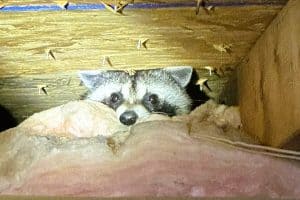
Raccoons Inside Your Attic
Raccoons can turn an attic into a den, latrine, and shelter, creating problems that extend beyond noises overhead. Wildlife agencies report that raccoons enter attics and chimneys, damage roof areas, disturb insulation, and leave waste where people may later encounter it. Homeowners may need professional
raccoon removal for an attic when tracks, nighttime movement, droppings, or damaged roof components reveal an animal has moved indoors. The reasons below explain how removal, inspection, cleanup, exclusion, and prevention fit together when a raccoon occupies part of a house.
- Attics can become denning sites.
- Roof openings may provide repeat access.
- Feces can introduce health concerns.
- Nesting activity may cause property damage.
1. Professional Raccoon Removal
Professional raccoon removal keeps a homeowner from trying to corner an animal in a confined part of the house. A common hands-on situation begins with thumping over a bedroom at night, yet inspection later reveals that the raccoon is entering through a roof vent on the opposite side and traveling across the attic. The
Minnesota Department of Natural Resources confirms that raccoons are active at night and may gain access to attics or outbuildings. Understanding where an animal enters, sleeps, and travels produces a better plan than reacting to noise alone.
- Nighttime activity can help identify raccoons.
- Movement sounds may occur far from an entrance.
- Attic inspections can reveal travel paths.
2. Raccoon Attic Inspection
Raccoon removal should begin with evidence that shows whether the animal is still present and how much of the attic it has used. Inspectors may look for tracks, feces, compressed insulation, torn vents, hair, nesting material, and openings around roof components. The
Missouri Department of Conservation reports that raccoons frequently enter buildings, attics, and chimneys, with females sometimes breaching attic screens or roof vents to establish dens. That behavior makes an exterior roof inspection just as useful as checking the space above the ceiling.
- Search insulation for travel trails.
- Inspect roof vents for damage.
- Look for feces in repeated locations.
- Check chimneys for possible den access.
3. Hidden Raccoon Entry Points
Roof damage can be both an entrance and evidence of continued animal activity. Missouri conservation officials report that female raccoons may breach screens or roof vents to create a den, and they advise placing a commercial cap made with sheet metal and heavy screen over chimneys when exclusion is needed. Raccoon removal professionals can inspect soffits, fascia, vents, chimney openings, roof intersections, and sections weakened by weather or age. Finding each route matters because removing one raccoon leaves the house vulnerable when its doorway stays open.
- Check torn vent screens.
- Examine soffit connections.
- Inspect chimney caps.
- Look along fascia boards.
- Review previous roof repairs for gaps.
4. Humane Raccoon Removal
Removal becomes more complicated when a mother has kits inside the attic. The Missouri Department of Conservation warns that
raccoon young may be present from April through August and advises checking for them before adults are evicted and repairs begin. Raccoon removal performed without that inspection could separate a mother from offspring that cannot leave on their own. Wildlife laws and trapping rules also differ among jurisdictions, giving homeowners another reason to rely on someone familiar with the regulations where the property is located.
- Check for kits before sealing openings.
- Determine whether offspring can leave the den.
- Follow wildlife rules that apply locally.
- Confirm the attic is empty before repairs.
5. Raccoon Nest Removal
Raccoon families can remain associated for months, so finding a nest changes the timing of removal work. Missouri conservation information states that raccoons usually produce
three to four kits per litter, most litters arrive in April or early May, and later births can occur through August. Kits may remain in the den for roughly eight to ten weeks before beginning to forage with their mother. Raccoon removal that accounts for this life cycle reduces the risk of sealing dependent animals behind a soffit, wall, or roof opening.
- Litters often contain three or four kits.
- Births commonly occur during spring.
- Kits may spend weeks inside the den.
6. Preventing Attic Damage
A raccoon does not need to destroy an entire roof to create repair work. State wildlife guidance documents residential problems involving holes torn into roofs, soffits, or fascia to gain entry, along with denning in attics, chimneys, and crawl spaces. Raccoon removal limits the time an animal has to disturb insulation, enlarge openings, or move through areas containing ducts and stored property. Inspection after eviction can then separate wildlife damage from wear that existed beforehand.
- Look for torn roof materials.
- Check insulation around den sites.
- Examine fascia for entry damage.
- Inspect nearby ductwork.
7. Raccoon Latrine Cleanup
Raccoons often defecate in communal locations known as latrines, and the
Centers for Disease Control and Prevention says these sites can occur in unsealed attics, on rooftops, decks, tree stumps, and other surfaces. Raccoon feces can contain Baylisascaris procyonis eggs, which require about two to four weeks in the environment before becoming infective. CDC guidance says the eggs can “survive for years” when moisture conditions allow, so established waste deserves careful handling. Raccoon removal may need to be paired with disposal of feces, nesting debris, and contaminated insulation.
- Identify repeated defecation sites.
- Avoid direct contact with feces.
- Remove contaminated nesting material with care.
- Keep children and pets away from latrines.
- Assess insulation beneath waste deposits.
8. Raccoon Health Risks
Wildlife contact presents another reason homeowners should avoid handling a raccoon themselves. The
CDC reports that more than 90 percent of animal rabies cases in the United States occur in wildlife, including raccoons, bats, skunks, and foxes, and about 100,000 Americans receive rabies vaccination after a potential exposure each year. CDC surveillance also identifies raccoons as a rabies reservoir across much of the eastern United States. Raccoon removal performed without direct handling reduces avoidable contact, while any bite or scratch that might represent rabies exposure warrants prompt medical guidance.
- Never approach a raccoon that appears sick.
- Keep household pets separated from wildlife.
- Report potential rabies exposure to health authorities.
- Avoid handling carcasses without guidance.
9. Attic Exclusion Repairs
Eviction solves only part of the problem when an attic opening remains usable. The Minnesota DNR recommends waiting until every raccoon has left and then
repairing the hole used for attic access, while Missouri officials recommend chimney caps, roof maintenance, and removal of overhanging branches. Raccoon removal paired with exclusion changes the house itself rather than depending on one animal staying away. Repairs should follow confirmation that no kits or adults remain indoors.
- Seal verified entry holes.
- Replace damaged screening.
- Repair compromised soffits.
- Protect chimney openings.
- Reinspect repaired areas after storms.
10. Long Term Raccoon Prevention
Food around the property can keep raccoons returning even after attic access has been corrected. The
CDC recommends keeping trash containers tightly closed, preventing access to attics and basements, and removing conditions that encourage raccoons to stay near a residence. USDA wildlife guidance also identifies garbage and pet food left outdoors as attractants and recommends making those foods unavailable. Raccoon removal works better over time when food, shelter, and climbing routes are considered together.
- Secure garbage lids.
- Bring pet food indoors.
- Remove overhanging branches near roofs.
- Maintain chimney caps and vent screens.
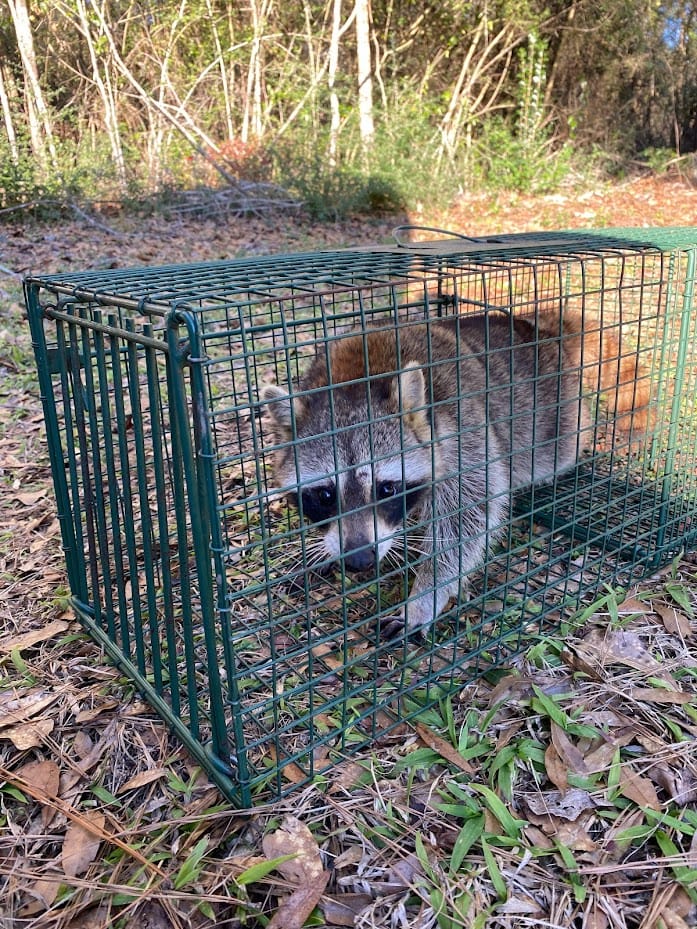
Planning Raccoon Removal
Attic problems involving raccoons rarely end with catching or evicting one animal because the den, waste, access point, and property conditions still need attention. Wildlife agencies show that mothers may shelter kits indoors for weeks, raccoon latrines can contain parasite eggs, and open roof components can invite another animal into the same space. A sound raccoon removal plan therefore moves from identification to eviction, then cleanup, exclusion, repair, and monitoring. Homeowners who treat those steps as one process are addressing both the current intrusion and the reasons it happened.
- Confirm the animal before removal begins.
- Find the den and entry routes.
- Account for kits during breeding months.
- Clean contaminated areas using health guidance.
- Close access only after the attic is empty.
Raccoon Removal Key Takeaways
- Raccoons frequently use attics and chimneys as den sites, according to state wildlife agencies.
- Young raccoons may be present from April through August, making nest inspection part of responsible removal.
- CDC data show more than 90 percent of reported animal rabies cases occur in wildlife.
- Raccoon roundworm eggs need about two to four weeks to become infective after being passed in feces.
- Raccoon removal should be followed by exclusion work when a roof, vent, soffit, or chimney provided access.
FAQs on Raccoon Removal
Are attic raccoons dangerous?
Raccoons should not be handled by homeowners because bites and scratches can create exposure concerns. CDC lists raccoons among the wildlife species associated with rabies in the United States, and feces may also carry raccoon roundworm eggs.
When are raccoon kits born?
Most raccoon litters are born during April or early May according to the
Missouri Department of Conservation, although births can occur later. Wildlife officials advise checking for kits before eviction work during spring and summer.
Can raccoons damage attics?
Yes. Wildlife agencies document raccoons tearing holes in roofs, soffits, and fascia when entering buildings. Denning can also disturb insulation and leave feces or nesting debris behind.
Are raccoon droppings hazardous?
Raccoon feces can contain Baylisascaris roundworm eggs. The
CDC states that these eggs take two to four weeks to become infective, which is one reason prompt latrine cleanup matters.
Can raccoons return afterward?
Another raccoon may use the same roof opening when repairs are never completed. Raccoon removal paired with exclusion, trash control, chimney protection, and vegetation management reduces opportunities for another attic den.