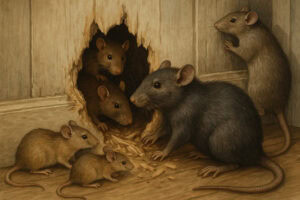
Wild animals rarely appear inside a home by accident. Most wildlife home invasions begin when animals discover an opening that provides access to food, shelter, warmth, or protection from predators. Wildlife removal professionals often find that homeowners never noticed the access point until scratching noises, droppings, nesting materials, or property damage appeared. These seven most common entry points of wildlife home invasions explain where animals enter, why those locations attract wildlife, and how humane
wildlife removal helps stop recurring intrusions before they create larger problems.
Common Wildlife Entry Locations
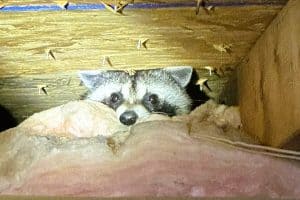
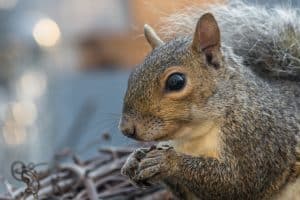
Many wildlife removal calls begin with a homeowner hearing movement above a ceiling or behind a wall and having no idea how an animal entered. A raccoon may lift a damaged vent cover, or a squirrel may slip through a loose soffit opening that has gone unnoticed for years. Small structural weaknesses often become access points long before homeowners realize there is a problem. Understanding where wildlife enters allows property owners to focus on prevention before costly repairs become necessary.
- Wildlife searches constantly for shelter.
- Small openings often go unnoticed.
- Early detection reduces repair costs.
1. Damaged Roof Vent Openings
Roof vents remain one of the most common locations discovered during wildlife removal inspections. Raccoons, squirrels, rats, and birds frequently damage vent covers while attempting to gain access to attics where temperatures remain more stable throughout the year. The
National Park Service notes that wildlife often seeks protected shelter near human structures when food and cover are available. Once an animal enters through a damaged roof vent, nesting activity can begin surprisingly quickly.
- Inspect roof vents seasonally.
- Replace damaged vent covers promptly.
- Watch for displaced screening.
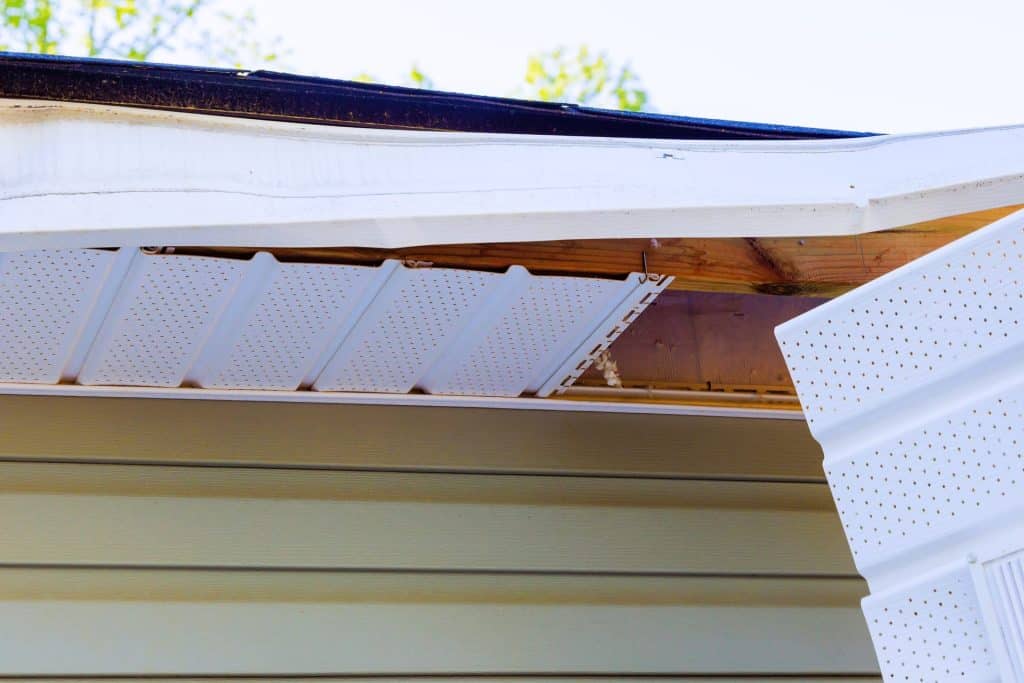
2. Gaps Around Soffits
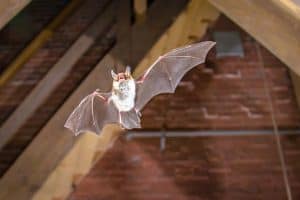
Soffits create another common wildlife entry location because they sit directly beneath roof overhangs and often deteriorate over time. Wind, moisture, and aging materials can create openings large enough for squirrels, bats, birds, and rodents. Wildlife removal technicians frequently find nests hidden near these areas because they provide protection while remaining difficult for homeowners to inspect. Regular exterior maintenance helps reduce these opportunities.
- Check soffits for loose sections.
- Look for chew marks or staining.
- Repair damaged materials quickly.
3. Unsealed Chimney Access
Chimneys naturally attract wildlife because they resemble hollow tree cavities used by many species in the wild. Birds, raccoons, squirrels, and even bats may enter uncovered chimneys while searching for nesting locations. According to the
U.S. Fish and Wildlife Service, wildlife frequently seeks enclosed spaces that offer protection from predators and weather conditions. Chimney caps help block access while allowing proper ventilation.
- Install chimney caps.
- Inspect chimney structures annually.
- Listen for unusual sounds near fireplaces.
4. Crawl Space Entry Holes
Crawl spaces provide darkness, shelter, and protection from weather, making them attractive to a wide range of animals. Rodents, opossums, raccoons, and snakes often enter through damaged foundation vents or loose access doors. Wildlife removal professionals regularly discover nesting materials, droppings, and food debris inside crawl spaces because animals can remain hidden there for long periods. Routine inspections help identify vulnerabilities before wildlife establishes residence.
- Inspect crawl space doors regularly.
- Replace damaged vent covers.
- Monitor for animal tracks.
5. Foundation Crack Openings
Foundation cracks may appear minor, yet they often create opportunities for rodents and smaller wildlife species. Mice can fit through openings approximately the size of a dime, according to the
Environmental Protection Agency. Tiny gaps around foundations can lead directly into wall cavities where animals remain hidden. Wildlife removal efforts often include sealing these openings to prevent repeat activity.
- Inspect foundations after storms.
- Seal visible cracks promptly.
- Monitor expanding foundation damage.
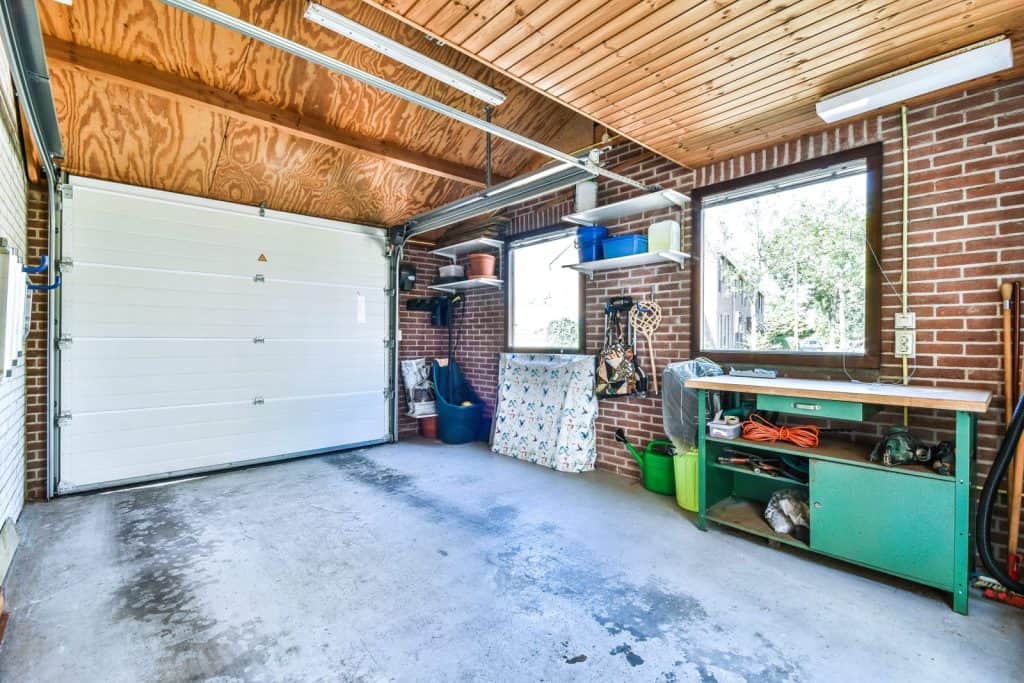
6. Garage Door Gaps
Garage doors frequently develop openings along the bottom or sides as weather stripping wears down. Rodents, snakes, and other animals can enter garages through these gaps and eventually gain access to living spaces. Wildlife removal inspections often reveal evidence of activity in storage areas where food, pet supplies, or clutter provide shelter opportunities. Maintaining garage door seals helps reduce access.
- Replace worn weather stripping.
- Inspect garage doors monthly.
- Keep storage areas organized.
7. Utility Line Penetrations
Utility lines entering a home create openings that often expand over time. Electrical cables, plumbing pipes, and HVAC components may leave gaps that rodents exploit to enter wall cavities and attics. Wildlife removal specialists frequently discover activity near these locations because they provide direct access to sheltered interior spaces. Proper sealing around utility penetrations creates a stronger barrier against intrusion.
- Inspect utility entry points annually.
- Seal gaps around pipes and wires.
- Check for new openings after repairs.
Wildlife Removal Inspection Tips
Homeowners often focus on visible areas while wildlife uses locations that remain hidden from daily view. Attics, crawl spaces, rooflines, garages, and foundation edges deserve careful attention because many wildlife home invasions begin there. The
Centers for Disease Control and Prevention explains that rodents can spread diseases through droppings, urine, and nesting materials, making early detection especially important. Frequent inspections from a humane wildlife removal expert help identify problems before wildlife populations grow.
- Inspect vulnerable areas seasonally.
- Look for droppings and nesting materials.
- Address signs of activity immediately.
Wildlife Removal Prevention Strategies
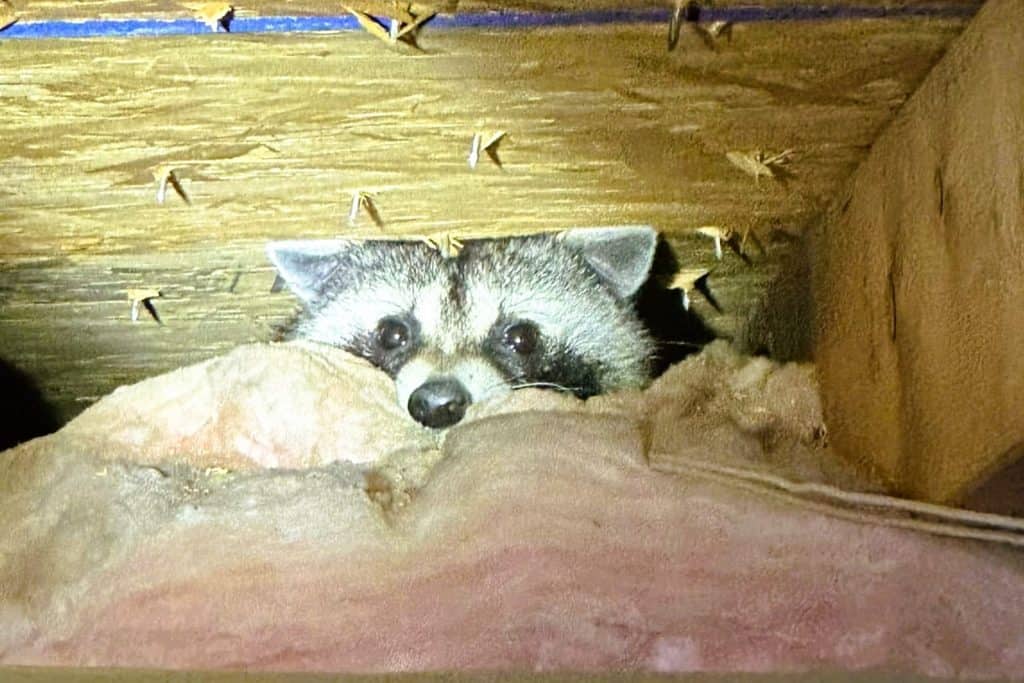
Wildlife removal becomes much more effective when paired with exclusion work. Removing an animal without sealing the entry point often leads to repeat invasions because another animal can simply use the same opening later. Preventive repairs, sanitation practices, and routine maintenance work together to reduce wildlife activity around homes. Long-term protection depends on addressing both the animal and the reason it entered.
- Repair structural vulnerabilities.
- Remove food attractants.
- Maintain exterior barriers.
Why Entry Point Control Matters
Every section discussed a different path wildlife uses to enter homes, yet they all connect to the same principle. Animals seek shelter, warmth, food, and security, and any opening that provides access can become an invitation. Roof vents, soffits, chimneys, crawl spaces, foundations, garages, and utility penetrations represent the locations most frequently identified during wildlife removal inspections because they combine access with protection. Homeowners who inspect these areas regularly, complete repairs quickly, and pair wildlife removal with exclusion work often experience fewer infestations, less property damage, and reduced health risks associated with wildlife activity.
- Most wildlife invasions begin through overlooked openings.
- Routine inspections support early detection.
- Prevention costs less than major repairs.
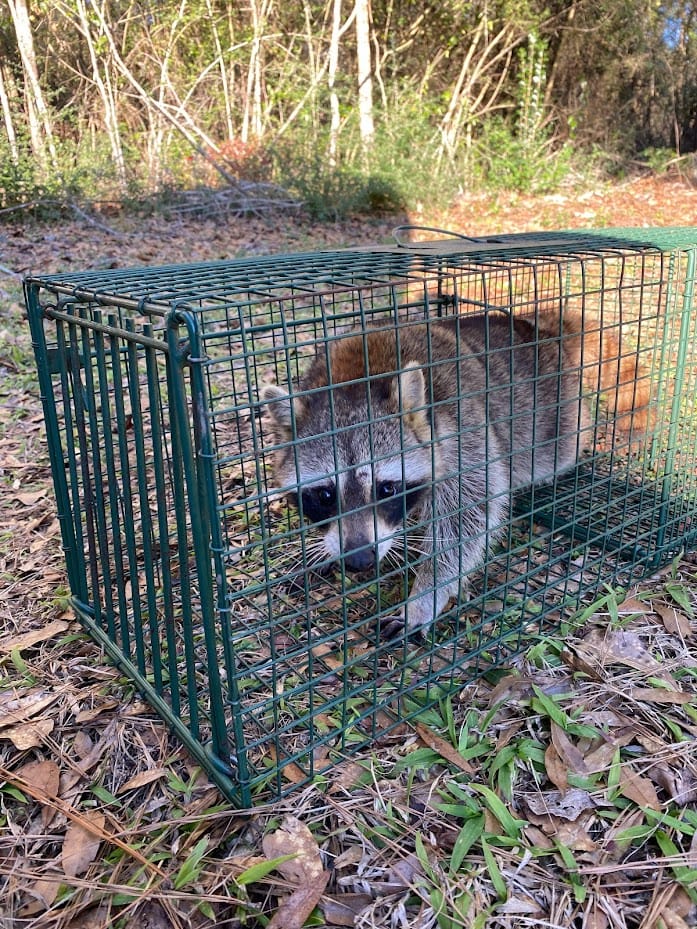
Wildlife Removal Entry Point Guide Key Takeaways
- Damaged roof vents remain a leading wildlife entry point.
- Loose soffits frequently attract squirrels and birds.
- Uncovered chimneys provide access for multiple species.
- Crawl spaces offer shelter and nesting opportunities.
- Foundation cracks allow rodents to enter homes.
- Garage door gaps often go unnoticed.
- Utility line penetrations create hidden access routes.
- Wildlife removal works best with exclusion repairs.
- Routine inspections help prevent infestations.
- Early action reduces long-term property damage.
Frequently Asked Questions
What is the most common wildlife entry point into a house?
Roof vents are among the most common entry points because they provide direct access to attic spaces where animals can nest.
Why do animals choose attics over other areas?
Attics offer shelter, warmth, protection from predators, and limited human activity.
Can wildlife return after removal?
Yes. Animals often return if entry points remain open after wildlife removal services are completed.
How often should homeowners inspect potential entry points?
Seasonal inspections and checks after severe weather events help identify new vulnerabilities.
Are small foundation cracks really a concern?
Yes. Even small openings can allow mice and other rodents to enter and establish nests inside wall cavities.